

Is WordPress Dead? The Shocking Truth About Building Websites in 2025
The journey of website building has been nothing short of remarkable. From the early days of static HTML pages to the dynamic, interactive sites we see today, the evolution of web development reflects the rapid advancements in technology and user expectations. Initially, creating a website required extensive coding knowledge, making it accessible only to those with technical expertise.
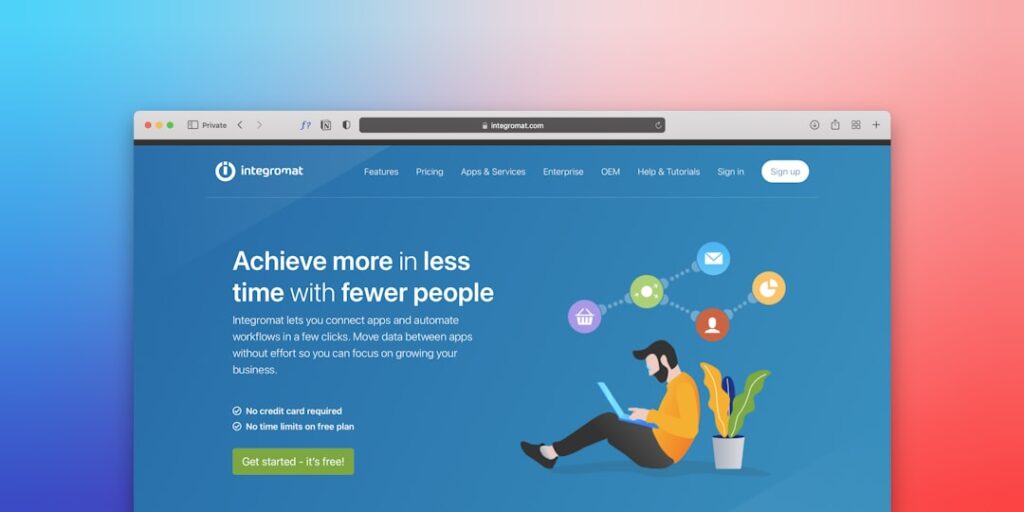
However, as the internet grew, so did the demand for user-friendly tools that democratized web creation. This shift has empowered individuals and businesses alike to establish their online presence without needing to be tech-savvy. Today, website building is a multifaceted process that encompasses various platforms, tools, and methodologies.
Table of Contents
The landscape is continuously changing, driven by innovations in design, functionality, and user experience. As we delve into the current state of website creation, it’s essential to understand the pivotal role that platforms like WordPress have played in shaping this evolution, as well as the challenges they face in an increasingly competitive environment. You can Get My Service Now to boost your project efficiently.
Key Takeaways
- WordPress remains a dominant platform but faces new challenges from emerging website builders and evolving technologies.
- AI, machine learning, and mobile-first design are significantly transforming how websites are created and optimized.
- User experience and accessibility have become critical priorities in modern website development.
- Integration of e-commerce and social media is essential for building effective, engaging websites.
- The future of WordPress depends on its ability to adapt and innovate amid a rapidly changing digital landscape.
The Rise of WordPress: A Dominant Force in Website Creation
WordPress emerged in 2003 as a simple blogging platform but quickly evolved into a comprehensive content management system (CMS) that powers over 40% of all websites on the internet today. Its rise can be attributed to its user-friendly interface, extensive customization options, and a vast library of plugins and themes that allow users to create anything from personal blogs to complex e-commerce sites. The open-source nature of WordPress has fostered a vibrant community of developers and designers who contribute to its continuous improvement and expansion.
One of the key factors behind WordPress’s dominance is its flexibility. Users can easily modify their sites without needing advanced coding skills, thanks to its intuitive dashboard and drag-and-drop features. This accessibility has made it a go-to choice for small business owners, freelancers, and even large corporations looking to establish a robust online presence.
Additionally, the SEO-friendly structure of WordPress sites helps users rank better in search engine results, further solidifying its position as a leading platform for website creation.
The Challenges Faced by WordPress in the Modern Era

Despite its success, WordPress faces several challenges in the modern era. One significant issue is security. As one of the most popular website-building platforms, it is also a prime target for hackers and malicious attacks.
Vulnerabilities can arise from outdated plugins or themes, making it crucial for users to stay vigilant about updates and security measures. This concern can deter potential users who may feel overwhelmed by the technical aspects of maintaining a secure site. Another challenge is the increasing competition from newer website-building platforms that offer streamlined solutions tailored for specific needs.
Platforms like Wix, Squarespace, and Shopify have gained traction by providing all-in-one solutions that simplify the website creation process. These competitors often come with built-in features that cater to specific niches, such as e-commerce or portfolio sites, which can make them more appealing to users who prefer a hassle-free experience. As a result, WordPress must continually innovate and adapt to retain its user base and attract new customers.
The Emergence of New Website Building Platforms
In recent years, several new website-building platforms have emerged, each offering unique features designed to meet the diverse needs of users. These platforms often prioritize simplicity and speed, allowing users to create visually appealing websites with minimal effort. For instance, Wix provides an intuitive drag-and-drop interface that enables users to design their sites without any coding knowledge.
Similarly, Squarespace offers beautifully designed templates that cater to creative professionals looking for an aesthetically pleasing online presence. These new entrants have not only changed the way websites are built but have also raised the bar for user expectations. Users now seek platforms that provide seamless integration with social media, e-commerce capabilities, and responsive design options.
As a result, traditional platforms like WordPress must evolve to incorporate these features while maintaining their core strengths. The competition has sparked innovation within the industry, leading to improved tools and resources for all website creators.
The Impact of AI and Machine Learning on Website Creation
| Metric | 2023 | 2024 | Projected 2025 | Notes |
|---|---|---|---|---|
| Market Share of WordPress in CMS | 43% | 41% | 38% | Gradual decline due to rise of headless CMS and site builders |
| Number of Active WordPress Websites (in millions) | 43 | 45 | 47 | Growth driven by legacy sites and new small businesses |
| Average Website Build Time (days) | 14 | 12 | 10 | Improved with new themes and page builders |
| Percentage of Websites Using WordPress for E-commerce | 30% | 32% | 33% | WooCommerce remains popular for small to medium stores |
| Security Vulnerabilities Reported | 1200 | 1100 | 900 | Better security practices and updates reducing issues |
| Popularity of Alternative Site Builders | Growing | Strong Growth | Dominant in new site builds | Platforms like Webflow, Wix gaining traction |
| Community Engagement (WordCamps & Meetups) | High | Moderate | Stable | Community remains active but shifting focus |
Artificial intelligence (AI) and machine learning are revolutionizing website creation by automating various processes and enhancing user experiences. These technologies enable platforms to analyze user behavior and preferences, allowing for personalized content delivery and improved site navigation. For example, AI-driven chatbots can provide instant customer support on websites, enhancing user engagement and satisfaction.
Moreover, AI tools can assist in optimizing websites for search engines by analyzing keywords and suggesting improvements based on current trends. This capability allows users to focus on content creation while ensuring their sites remain competitive in search rankings.
As AI continues to advance, we can expect even more sophisticated tools that will further streamline the website-building process and enhance overall functionality.
The Role of Mobile-First Design in Shaping the Future of Websites

With the increasing use of smartphones and tablets for browsing the internet, mobile-first design has become a critical aspect of website development. A mobile-first approach prioritizes designing websites for mobile devices before adapting them for larger screens. This strategy ensures that users have a seamless experience regardless of the device they are using.
The importance of mobile-first design cannot be overstated; Google’s algorithms now favor mobile-friendly websites in search rankings. As a result, businesses must prioritize responsive design to remain competitive in the digital landscape. Platforms like WordPress have recognized this trend and have introduced themes and plugins specifically designed for mobile optimization.
By embracing mobile-first design principles, website creators can enhance user engagement and retention while improving their visibility in search results.
The Importance of User Experience and Accessibility in Website Development
User experience (UX) and accessibility are paramount in modern website development. A well-designed website should not only be visually appealing but also easy to navigate and accessible to all users, including those with disabilities. This focus on UX ensures that visitors can find the information they need quickly and efficiently, leading to higher engagement rates and conversions.
Accessibility involves implementing features such as alt text for images, keyboard navigation options, and screen reader compatibility. By prioritizing accessibility, website creators can reach a broader audience while demonstrating inclusivity and social responsibility. As awareness of these issues grows, platforms like WordPress are increasingly incorporating accessibility guidelines into their themes and plugins, making it easier for users to create compliant websites.
The Integration of E-commerce and Social Media in Website Building
The integration of e-commerce capabilities and social media features has transformed how websites function today. With more consumers shopping online than ever before, having an e-commerce component is essential for businesses looking to thrive in the digital marketplace. Platforms like WooCommerce have made it easy for WordPress users to set up online stores with minimal effort.
Social media integration is equally important; it allows businesses to connect with their audience on multiple platforms while driving traffic back to their websites. Features such as social sharing buttons, embedded feeds, and login options via social media accounts enhance user engagement and streamline the customer journey. As these integrations become standard practice, website builders must continue evolving to meet the demands of modern consumers who expect seamless online experiences.
The Future of WordPress: Adaptation and Innovation
As we look ahead, the future of WordPress hinges on its ability to adapt and innovate in response to emerging trends and user needs. To maintain its status as a leading platform for website creation, WordPress must continue enhancing its features while addressing security concerns and competition from newer platforms. This may involve investing in advanced technologies such as AI-driven tools or improving its user interface for greater accessibility.
Moreover, fostering community engagement will be crucial for WordPress’s continued success. By encouraging developers and users to contribute ideas and feedback, WordPress can remain responsive to its audience’s needs while driving innovation within its ecosystem. As long as it embraces change and prioritizes user experience, WordPress will likely remain a dominant force in website creation for years to come.
The Benefits of WordPress in 2025 and Beyond
Looking towards 2025 and beyond, WordPress is poised to offer numerous benefits that will continue attracting users from various backgrounds. Its extensive library of themes and plugins will allow creators to build highly customized websites tailored to their specific needs without starting from scratch. Additionally, ongoing improvements in security measures will help alleviate concerns about vulnerabilities associated with using such a popular platform.
Furthermore, as AI technology advances, we can expect WordPress to incorporate more intelligent features that simplify tasks like content optimization or site management. This evolution will empower users—regardless of their technical expertise—to create professional-quality websites efficiently. With its commitment to innovation and community support, WordPress will remain an invaluable resource for anyone looking to establish an online presence.
Navigating the Ever-Changing Landscape of Website Creation
The landscape of website creation is constantly evolving, driven by technological advancements and shifting user expectations. While WordPress has established itself as a dominant force in this space, it faces challenges from emerging platforms and changing trends that require adaptation and innovation. By embracing new technologies like AI, prioritizing mobile-first design principles, and focusing on user experience and accessibility, WordPress can continue thriving in this competitive environment.
As we move forward into an increasingly digital world, understanding these dynamics will be essential for anyone looking to create or manage a website successfully. Whether you’re a seasoned developer or a beginner just starting your journey online, staying informed about these trends will empower you to navigate the ever-changing landscape of website creation with confidence.
In the discussion surrounding the future of website building, particularly in light of the article “Is WordPress Dead? The Shocking Truth About Building Websites in 2025,” it’s essential to consider emerging trends that will shape the digital landscape. For instance, the article on best web design trends to expect in 2026 provides valuable insights into the evolving preferences and technologies that will influence how websites are created and experienced in the coming years.
FAQs
01. Is WordPress still relevant for building websites in 2025?
A: Yes, WordPress remains one of the most popular and widely used content management systems (CMS) in 2025. It continues to evolve with regular updates, new features, and a large community of developers and users supporting it.
02. Has WordPress lost market share to other website builders?
A: While other website builders like Wix, Squarespace, and Shopify have gained popularity, WordPress still holds a significant portion of the market, powering over 40% of all websites globally as of 2025.
03. Are there any major changes in WordPress technology for 2025?
A: WordPress has continued to improve its block editor (Gutenberg), enhance site performance, and integrate more with modern web technologies such as headless CMS capabilities and improved API support.
04. Is WordPress suitable for beginners in 2025?
A: Yes, WordPress remains user-friendly for beginners, especially with the availability of numerous themes, plugins, and tutorials. However, some technical knowledge can help optimize and customize websites more effectively.
05. What are the alternatives to WordPress in 2025?
A: Popular alternatives include website builders like Wix, Squarespace, Shopify (for e-commerce), and other CMS platforms like Joomla and Drupal. The choice depends on the user’s specific needs, technical skills, and project requirements.
06. Is WordPress secure to use in 2025?
A: WordPress is generally secure when kept up to date with the latest core, theme, and plugin updates. Security also depends on best practices such as using strong passwords, reliable hosting, and security plugins.
07. Can WordPress handle large and complex websites in 2025?
A: Yes, WordPress is capable of managing large and complex websites, including e-commerce stores, membership sites, and enterprise-level projects, especially when combined with appropriate hosting and optimization strategies.
08. Will WordPress continue to be supported in the future?
A: Given its large user base and active development community, WordPress is expected to continue receiving support, updates, and improvements well beyond 2025.